facebook

One Behavioral

Insomnia

Sleeping Your Way to Wellness

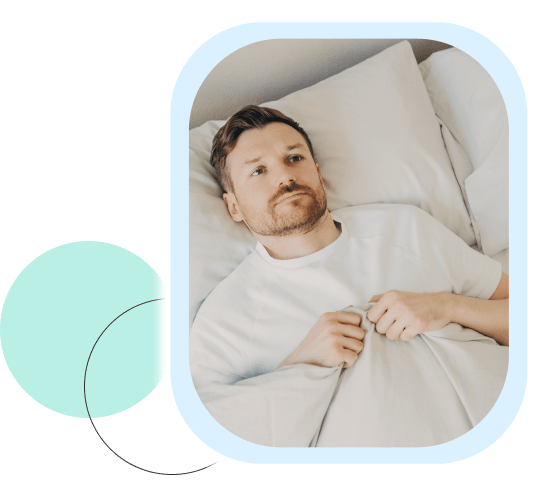
Insomniacs have trouble falling asleep, staying asleep, or getting enough restful sleep. Insomnia is a sleep problem that affects many people. Sleep deprivation can lead to physical and behavioral health issues.
insomnia-img

Search for a psychiatrist and therapist that take your insurance. 

insomnia
design

45+ Board Certified Providers

design

Insomnia’s Types

Insomnia affects many individuals at some point in their life, and it can be caused by stress or traumatic events. Insomnia can be acute, transitory, or persistent in nature.

Acute Insomnia

Acute insomnia is a type of short-term insomnia that lasts for a few days to weeks

Transient Insomnia

Insomnia that lasts less than a week is referred to as transient insomnia. Changes in the sleeping environment, stress, or depression are the most common causes.

Chronic Insomnia

Chronic/persistent insomnia, on the other hand, is a long-term sleep problem that necessitates medical attention and lasts for a month or longer.

Insomnia's Signs and Symptoms

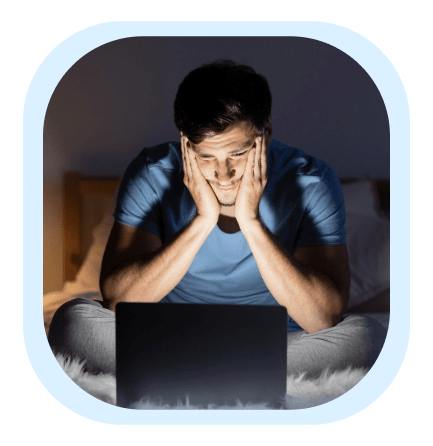
There are a variety of symptoms associated with insomnia, some of which are given here.

  • Having trouble sleeping at night
  • Difficult to get a good night’s sleep
  • Getting up way too early
  • You may feel exhausted and tired after waking up
  • Accidents occur as a result of a lack of sleep
  • Having trouble focusing
  • Dealing with anxiety, despair, and stress
insomnia-symtoms
design

45+ Board Certified Providers

design
insomnia
design

45+ Board Certified Providers

design

What Causes It?

The first step in addressing insomnia is to look at the causes of the disorder. After determining the root cause, our team of professionals concentrates on the most pressing issues.
Stress
Experiencing stressful events such as the death of a family member or friend due to illness, getting divorced, or being laid off.

Sleeping Habits

Inconsistent sleeping patterns, naps, excessively watching TV, electronics, playing video games, or an unpleasant sleeping environment can provoke insomnia.

Mental Health Issues

Anxiety disorders, depression, and post-traumatic stress disorder (PTSD) can all impair a person’s sleeping patterns. Insomnia is frequently associated with mental health issues.

How We Treat Insomnia

One behavioral is a comprehensive behavioral treatment aimed at improving sleep quality and managing Insomnia Disorder in individuals aged 18 and above, as a supplement to their regular medical care.

Psychotherapy

Our experts will teach you evidence-based psychological-behavioral methods to handle even the most intractable of sleep difficulties over six weeks. Each session is targeted at your specific issues, allowing you to sleep soundly.

insomnia
insomnia

Medication

Sleeping pills can help you fall asleep faster, remain asleep longer, or do both. Specialists don’t recommend using such pills for more than a few weeks, but some are allowed for long-term usage.

Book an Appointment for Insomnia Treatment

Specialists at One Behavioral may advise you to adjust your sleep schedule, eat a balanced diet, exercise more, and make other changes to improve your comfort and happiness.

Psychiatry:

Our skilled psychiatrists and nurse practitioners provide a medical evaluation for your mental health. Treatment usually includes medication management and brief therapy.

Psychological Testing:

Psychological testing is a way to better understand how you think, feel, and behave through structured assessments and questionnaires. These tests help identify strengths, challenges, and guide personalized treatment plans for your mental health needs.

Spravato:

Spravato is an FDA-approved treatment for depression that works differently from standard medications. It’s given as a nasal spray in our office under professional supervision, offering new hope for those who haven’t found relief with other treatments.

Therapy:

Also known as counseling, our caring and compassionate therapists are focused mainly on talk therapy to help manage life challenges along with mental health symptoms.

TMS:

TMS (Transcranial Magnetic Stimulation) is a safe, non-invasive treatment for depression that uses gentle magnetic pulses to stimulate areas of the brain linked to mood. It’s done right in our office, requires no anesthesia, and lets you return to your normal activities after each session.
Skip to content