HOME >
- Suboxone
Suboxone Treatment For Opioid Addiction
Search for a psychiatrist and therapist that take your insurance.

Suboxone
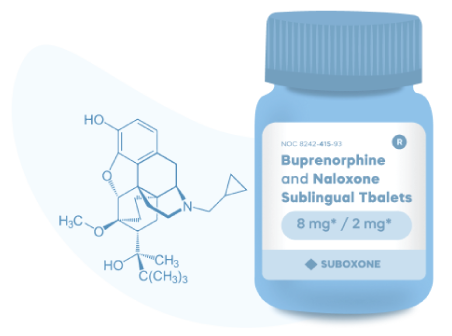
Suboxone is a prescription medication that contains buprenorphine and naloxone. Buprenorphine, which was first approved in 2002 by FDA, is currently available in two forms: alone and in combination with the opioid receptor antagonist naloxone that is (Suboxone®).
Suboxone treatment should be part of a comprehensive treatment plan, including behavioral therapy and counseling. The goal of Suboxone treatment is to help individuals manage their addiction and work towards long-term recovery.

Coverage
One Behavioral Health accepts insurance for Suboxone treatment. Without insurance, the cost of Suboxone treatment can be quite expensive. The medication itself can cost anywhere from $100 to $500 per month, depending on the dosage. Additionally, patients may need to pay for doctor visits, counseling, and other services as part of their treatment plan.
Dosage
The dosage of Suboxone can vary depending on the individual’s needs and the severity of their addiction. The recommended starting dose of Suboxone is typically between 2mg and 8mg per day.
The medication is typically administered sublingually, meaning it is placed under the tongue and allowed to dissolve. The dosage may be adjusted over time based on the individual’s response to the medication and their progress in addiction treatment.How to Get Started
INTRODUCTION
Learn more about Suboxone Treatment
We focus on insurance so you don't have to
Suboxone Treatment is:
- FDA-approved.
- Covered by many insurance companies.
- Available virtually and in-person at all One Behavioral locations.
You May Be a Candidiate If You Are:
- Individuals who are physically dependent on opioids and experiencing withdrawal symptoms or cravings.
- Individuals who have a strong motivation to stop using opioids and are willing to engage in addiction treatment.
- Individuals who are not pregnant or breastfeeding.
- Individuals who do not have a history of allergic reactions to buprenorphine or naloxone and do not have medical conditions or take medications that could interact with Suboxone.
BEFORE THE TREATMENT
A Brief Assessment
Detailed Evaluation
Dosage Time
TREATMENT
Possible Contraindications:
- Certain medical conditions, medications, or substances may interact with Suboxone or make it less effective.
- Suboxone can have harmful effects on the developing fetus, and it is not recommended for use during pregnancy or breastfeeding.
- Suboxone can cause side effects, such as dizziness, drowsiness, constipation, and nausea.
- Suboxone has the potential for abuse, although its risk is lower than other opioids due to the presence of naloxone. Still, it should be prescribed, dispensed, and used with caution to minimize the risk of misuse and diversion.
Opioid Use With or Without Buprenorphine Treatment
Seek Help For Substance Abuse Today
Healing Begins with One Brave Step..
You've Got Questions We Have Answers
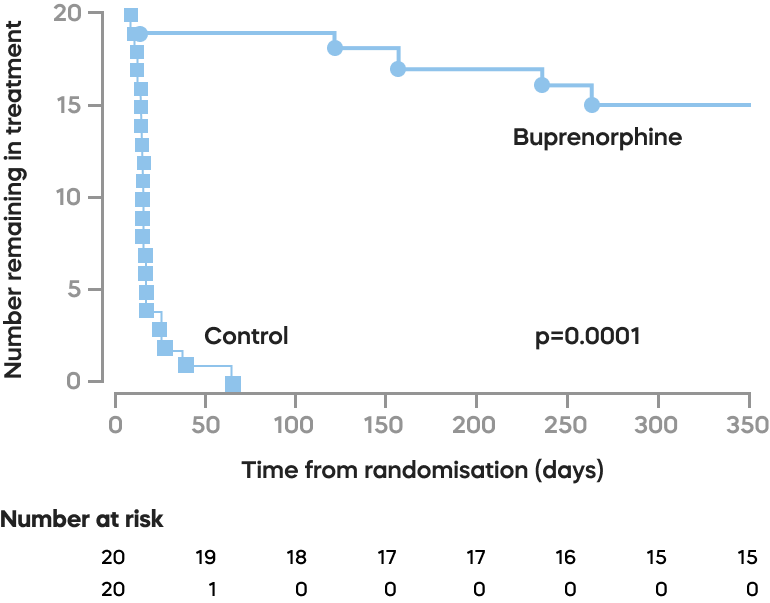
Suboxone (buprenorphine/naloxone) works by taking the place of other opioids to prevent cravings and relieve withdrawal symptoms. Buprenorphine is one of three FDA-approved medications to treat opioid use disorder, and many people in recovery from opioid addiction say it helps them feel normal
Your first appointment will be an orientation with your care team, and then a provider appointment will be scheduled. In some states, as long as you’re a good fit for the program, you will receive Suboxone (buprenorphine/naloxone) e-prescribed to your local pharmacy the same day of your provider appointment. In others, laws require a drug test on file before a buprenorphine medication (including Suboxone) can be prescribed. It is always up to the discretion of the provider to determine if it is clinically appropriate to prescribe medication.
Suboxone (buprenorphine/naloxone) is indicated for the treatment of opioid dependence in adults. Suboxone should not be taken by individuals who have been shown to be hypersensitive to buprenorphine or naloxone as serious adverse reactions, including anaphylactic shock, have been reported. Taking Suboxone (buprenorphine/naloxone) with other opioid medicines, benzodiazepines, alcohol, or other central nervous system depressants can cause breathing problems that can lead to coma and death. Other side effects may include headaches, nausea, vomiting, constipation, insomnia, pain, increased sweating, sleepiness, dizziness, coordination problems, physical dependence or abuse, and liver problems. For more information about Suboxone (buprenorphine/naloxone) see Suboxone.com, the full Prescribing Information, and Medication Guide, or talk to your healthcare provider. You are encouraged to report negative side effects of drugs to the FDA. Visit www.fda.gov/medwatch or call 1-800-FDA-1088.