HOME >
- TMS
Fight Depression With TMS
Assess Your Well-Being Today
Evaluate your emotional wellness with One Behavioral's PHQ-9 form.

Search for a psychiatrist and therapist that take your insurance.

TMS Therapy
Transcranial Magnetic Stimulation (TMS) Therapy, approved by the Food and Drug Administration (FDA) in 2008, is a therapy that involves MRI-strength magnetic pulses to excite nerve cells in the brain to alleviate or even eradicate depression and obsessive compulsive symptoms when other remedies have failed. Over three million people have benefited from TMS therapy around the world.

Coverage
Transcranial Magnetic Stimulation (TMS) Therapy, is covered by many major insurance companies. One benefit of having treatment at One Behavioral is that our Care Team does all the work for you when it comes to insurance. Phone calls, emails, paperwork: we take care of it for you. Wrangling insurance companies for coverage of any treatment can be hard (even if you’re not struggling with depression!).
We’ll keep you informed along the way
We’ll evaluate your patient to determine if they’re a candidate for TMS therapy and create their individualized treatment plan. Works via magnetic pulses that induce electrical currents, stimulating neurons to bring about a therapeutic effect.How to Get Started

INTRODUCTION
Learn More About TMS Therapy
First, you will meet the Patient Consultant, who will evaluate your history and explain the details of TMS Therapy treatment. Whether in person, over the phone, or via video call.
We Focus On Insurance So You Don't Have To
Your Patient Consultant will also go over basic insurance plan criteria with you and explain treatment payment choices. To determine benefits, we will work with your health insurance provider.
Transcranial Magnetic Stimulation (TMS) Therapy is:
- FDA-approved for MDD and OCD treatment.
- Many insurance companies cover it.
- Is available at One Behavioral in Houston, Pearland and Friendswood.
Who May Be A Candidate?
- Not satisfied with results of antidepressants.
- Responding to medication, but not in remission.
- Cannot tolerate medication side effects.
- Failed 1 or more medication trials.
- Wishes to avoid antidepressants and/or augmentors.
- Has Major Depression or Obsessive Compulsive Disorder but not Bipolar Depression, Schizoaffective Disorder, or Schizophrenia.
BEFORE THE TREATMENT
A Brief Assessment
Give us a few details about your condition and any contraindications.
Detailed Evaluation
Our providers will thoroughly review each patient’s information once the paperwork is completed.
Schedule Mapping
A licensed physcian will map your treatment area for the best results on your first appointment.
TREATMENT
You're All Set To Feel Better!
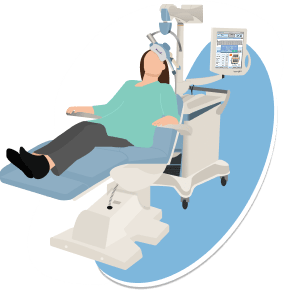
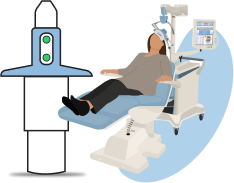
Performed in an office setting. The average treatment plan usually consists of 15 to 40 minutes treatment sessions performed five days each week for six consecutive weeks.
Well-tolerated, non-invasive, and low-risk treatment for MDD, requiring no post-treatment downtime. Occasional side effects (scalp sensitivity or headaches).
Possible Contraindications:
- History of seizures.
- Implanted medical devices like a pacemaker.
- Non-removable metallic implants above the neckline.
Our major concern is your safety and comfort
Our Care Team will be on-site to support you throughout your treatment. Neurostar TMS treatment is FDA-cleared for treatment of major depressive disorder and obsessive-compulsive disorder. The likelihood of patients with MDD achieving remission is limited and declines with each successive medication trial. Patients who have undergone two medication trials have approximately a 16% chance of remission with a new trial.
Empower your mind, Elevate your life.
Neurostar TMS Treatment Plan

5 treatments a week for 30 treatments
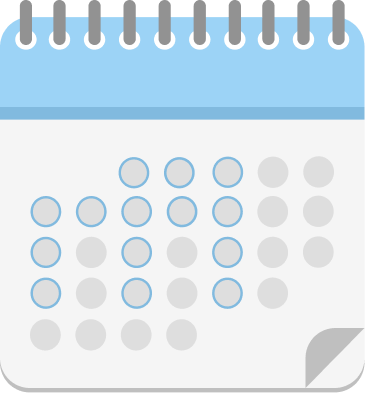
3 treatments a week for 6 treatments
AVERAGE TREATMENT PLAN**
6
WEEKS
5 DAYS
EACH WEEK
20
MINUTES
A Drug-Free Depression Treatment That Works For You
Patient Reported TMS Therapy Outcomes After Treatment
Percentage Of Patients
Only the NeuroStar® Advanced Therapy Outcomes Registry has data on over 14,000 patients since being initiated in September 2016, making it the largest data set in major depressive disorder. This data is from 118 NeuroStar practice sites.2,6,22
In these real-world outcomes, by clinician rating (CGI-S) 83% of patients responded to an acute course of NeuroStar, and 62% achieved remission.5,22
**Treatment plan may vary based on doctor’s recommendations.